How to remove mould from bathroom walls and tiles safely. Learn what causes bathroom mould, how to clean it and prevent it returning in Cape Town homes.
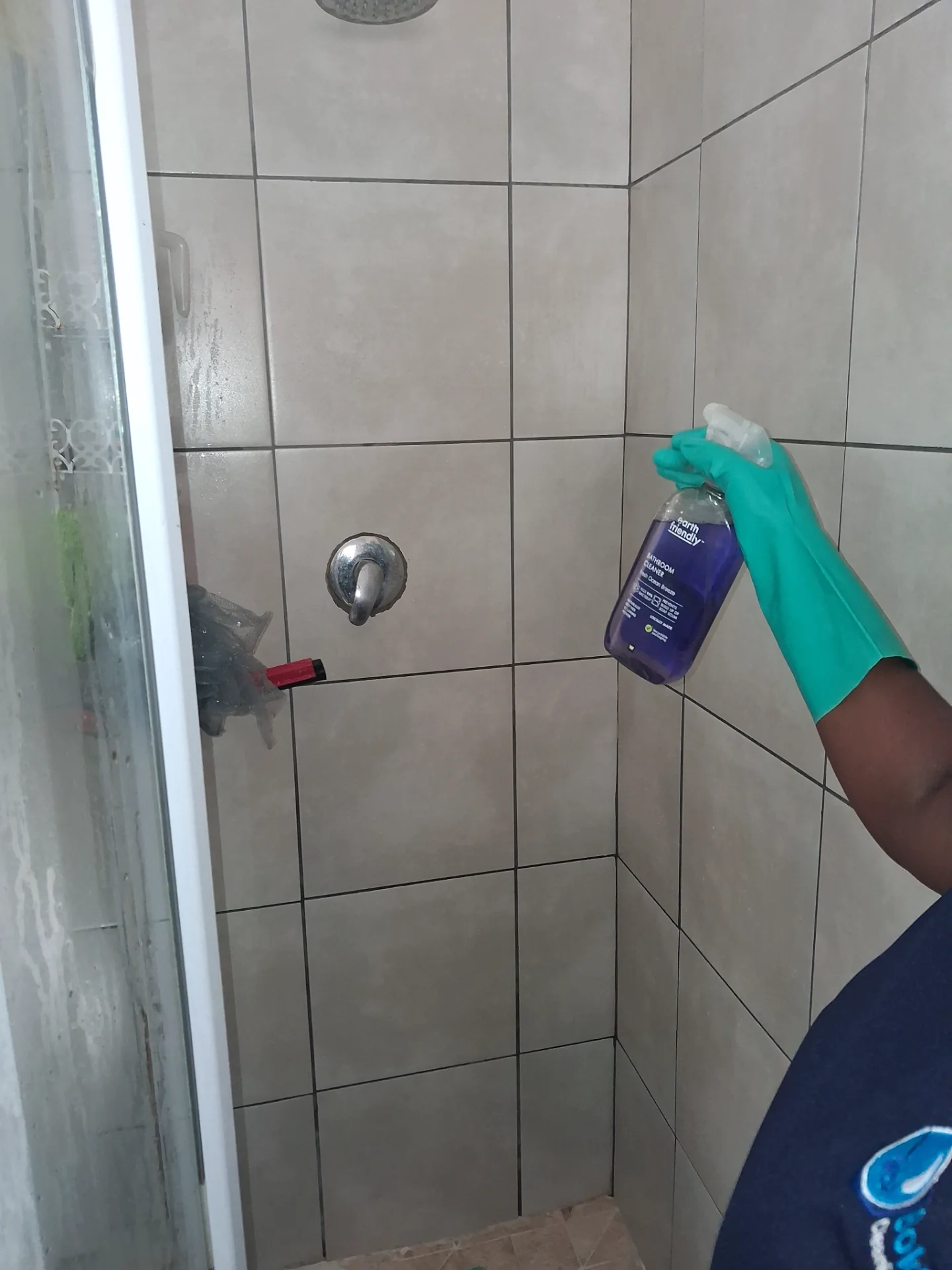
Bathroom mould is one of those household problems that can seem to appear overnight. You notice a few dark spots around the shower, between the tiles or near the ceiling, and before long, the affected area seems to be getting bigger.
If you're wondering how to remove mould from bathroom walls and tiles, the good news is that small areas of surface mould can often be cleaned with the right approach. The bigger challenge is preventing it from coming back.
Bathrooms provide many of the conditions mould likes: moisture, warmth, condensation and limited airflow. In Cape Town, damp winter weather can make the problem even more noticeable in homes where bathrooms don't have enough ventilation.
This guide explains how to clean visible bathroom mould safely, what causes it, which areas you should check and how to reduce the chances of it returning.
Mould needs moisture to grow, which makes bathrooms a common problem area.
Every hot shower or bath releases moisture into the air. If that moisture cannot escape through a window, extractor fan or good ventilation, it can settle on walls, ceilings, tiles and other surfaces.
Over time, persistent dampness can create conditions where mould develops.
Common causes include:
Cleaning the visible mould is only one part of the solution.
If the underlying moisture problem remains, the mould may return.
Before you start cleaning, first look at how large the affected area is and what type of surface is involved.
Small amounts of surface mould on bathroom tiles may be manageable as part of normal household cleaning. Extensive growth, recurring dampness, damaged walls or mould that appears to be spreading through building materials may require professional assessment.
For a small surface area, start by ventilating the bathroom. Open windows and doors where practical and keep the room well aired.
Wear household cleaning gloves and follow the instructions on whichever cleaning product you use. Avoid mixing different cleaning chemicals, as some combinations can produce dangerous fumes.
Apply an appropriate bathroom cleaning product according to its label instructions and allow the recommended contact time.
Clean the affected surface carefully rather than aggressively scrubbing mould around the room.
Once the area has been cleaned, dry it thoroughly.
Drying is extremely important because leaving the surface damp creates the same conditions that contributed to the problem in the first place.
Tiles are generally easier to clean than porous surfaces because the mould is often sitting on the surface.
Pay particular attention to:
Use a suitable bathroom cleaner and follow its instructions.
After cleaning, rinse the surface if the product requires it and dry the tiles properly.
Don't forget the less obvious areas. Mould can develop behind toiletries, bottles and containers that remain against wet surfaces for long periods.
Keeping these areas clear can make routine bathroom cleaning easier.
Grout can be more difficult because it is not as smooth as the tile itself.
Moisture and dirt can settle into grout lines, particularly around showers and baths.
When cleaning grout, use a product appropriate for the surface and a cleaning tool that can reach into the grout lines without unnecessarily damaging them.
If the grout remains badly discoloured after cleaning, the problem may be deeper than ordinary surface dirt.
Cracked or deteriorating grout can also allow moisture into areas where it shouldn't be.
In that situation, simply cleaning the surface may not solve the underlying problem.
The sealant around showers, basins and baths is another common problem area.
If mould is sitting on the surface, cleaning may improve its appearance.
However, when dark staining appears to be embedded inside old silicone sealant, normal cleaning may not completely remove it.
Damaged, deteriorated or heavily affected sealant may eventually need to be replaced rather than repeatedly scrubbed.
Also check why the area stays wet.
Poor ventilation, water collecting in corners or damaged sealing can cause the same problem to return even after the bathroom looks clean.
Bathroom walls require more care because different wall finishes react differently to moisture and cleaning products.
Painted walls, plaster and other porous surfaces should not automatically be treated in the same way as ceramic tiles.
If you notice a few small marks caused by condensation, an appropriate cleaning method for that particular surface may help.
However, widespread mould, bubbling paint, peeling paint, staining or a wall that feels persistently damp can indicate a moisture problem behind the surface.
This is when you should investigate the cause rather than repeatedly cleaning over it.
Possible causes include plumbing leaks, roof leaks, waterproofing problems or ongoing condensation.
Look up.
Bathroom ceilings are often overlooked during everyday cleaning, but warm moist air rises.
You may first notice small dark marks in ceiling corners or above the shower.
A bathroom without adequate ventilation may develop recurring ceiling mould even when the walls and tiles are cleaned regularly.
Improving airflow can make a significant difference.
An extractor fan can help remove humid air, particularly in bathrooms without large windows.
Where possible, continue ventilating the room after showering rather than closing everything immediately.
Knowing how to remove mould from bathroom surfaces is useful, but prevention is even better.
The aim is to reduce how long your bathroom stays wet.
Open a window when practical or use an extractor fan during and after showers.
Good airflow helps moisture leave the room instead of settling on surfaces.
After showering, remove excessive water from shower walls, doors and other surfaces where possible.
The faster the bathroom dries, the less favourable it becomes for mould growth.
Bath mats can hold significant amounts of moisture.
Wash and dry them regularly instead of leaving them permanently damp on the bathroom floor.
Don't leave wet towels in piles.
Spread them out so they can dry properly, preferably somewhere with good airflow.
A small leak can keep an area damp continuously.
Check around taps, toilets, basins, baths and visible plumbing.
If you suspect a hidden plumbing or waterproofing issue, consider having it inspected.
Regular cleaning helps prevent soap residue, dirt and moisture-related build-up from becoming difficult to manage.
Pay attention to corners, grout lines, shower tracks and spaces around taps.
Cape Town's climate can make moisture management particularly important during the cooler, wetter months.
When outdoor temperatures fall, people often keep windows closed and homes receive less ventilation.
Hot showers then add warm moisture to bathrooms.
When that moisture meets colder surfaces, condensation can form on windows, walls, ceilings and tiles.
That doesn't mean every Cape Town bathroom will develop mould. Ventilation, insulation, property condition and household habits all play a role.
But if you repeatedly find mould during winter, improving moisture control should be part of your cleaning strategy.
Sometimes cleaning isn't enough.
Pay attention if mould:
These signs can indicate an underlying moisture or building problem.
A cleaning service can help with appropriate cleaning tasks, but it cannot repair a leaking pipe, failed waterproofing or structural moisture problem.
The source of the moisture needs to be addressed.
There is a difference between a structural mould problem and a bathroom that simply needs a thorough clean.
If your bathroom has accumulated soap residue, grime, dirty grout and general build-up, a professional deep cleaning service can save you considerable time and effort.
Professional cleaning can also be useful before moving into a property, preparing a home for guests or tackling areas that have not received detailed cleaning for a long time.
At Bokkie Cleaning Services, our goal is to help Cape Town households keep their homes cleaner and easier to maintain.
If you are unsure whether your bathroom requires normal cleaning or something more specialised, identify the source of any persistent moisture first.
For small amounts of surface mould, ventilate the bathroom, wear suitable cleaning gloves and use a cleaning product appropriate for the affected surface according to its instructions. Clean the area carefully and dry it thoroughly afterwards.
If mould repeatedly returns, covers a large area or appears with water damage, investigate the source of the moisture rather than relying on repeated surface cleaning.
Recurring bathroom mould usually means the conditions that encourage it are still present.
Poor ventilation, condensation, leaks and surfaces remaining wet for long periods can all contribute. Improving ventilation, drying wet surfaces and fixing moisture problems can help prevent mould from returning.
Ventilation is particularly important during wet Cape Town winters. Use an extractor fan where available, open windows when practical, dry shower surfaces, hang wet towels properly and check for leaks.
Regular bathroom cleaning combined with good moisture control is generally more effective than waiting until visible mould has become widespread.
Bathrooms are among the hardest-working rooms in any home, and keeping tiles, showers, floors, grout and fixtures clean can take time.
Bokkie Cleaning Services provides professional cleaning services for homes across Cape Town.
Whether your home needs regular cleaning or a more detailed deep clean, we can help you choose a service that suits your property and cleaning requirements.
A clean bathroom doesn't just look better. Regular cleaning and good moisture management can make the room easier to maintain throughout the year.
Choose Bokkie Cleaning Services for professional home cleaning in Cape Town
