Discover 7 hidden areas to clean in your home, from behind the fridge to window tracks. Get practical deep cleaning tips from Bokkie Cleaning Services.
Have you ever finished cleaning your home, admired your freshly mopped floors and spotless countertops, and felt certain everything was perfectly clean?
But what if some of the dirtiest areas in your home are the ones you rarely see?
Even a well-maintained home can hide surprising amounts of dust, grease, food crumbs and grime. These often-overlooked spaces may go untouched for weeks or months, allowing dirt to accumulate unnoticed.
Knowing the hidden areas to clean in your home can help you maintain a cleaner, fresher and more comfortable living environment.
At Bokkie Cleaning Services, we believe that a truly thorough clean goes beyond what meets the eye. Discover how our professional deep cleaning services can help you tackle stubborn dirt and often-overlooked areas in your home. It's not just about making visible surfaces shine; it's about paying attention to the little details that make a lasting difference.
In this guide, we'll uncover seven commonly forgotten cleaning spots, explain why they deserve attention and share practical tips to help you clean them effectively.
Most household cleaning routines focus on the surfaces we use and see every day. We wipe countertops, sweep floors, clean bathrooms and dust furniture.
But dirt doesn't only collect in visible places.
Dust can settle beneath furniture, food crumbs can become trapped behind appliances, and grease can gradually build up above kitchen cupboards.
Over time, these neglected areas may contribute to unpleasant odours, attract pests or become more difficult to clean.
For example, food debris behind a refrigerator may attract insects, while trapped moisture around washing machine seals can encourage mould growth.
Cleaning these spaces helps maintain a more hygienic home and prevents small cleaning tasks from becoming bigger challenges.
The good news is that you don't need complicated techniques to tackle most of these areas. With the right tools, a little patience and a consistent routine, you can make a noticeable difference.
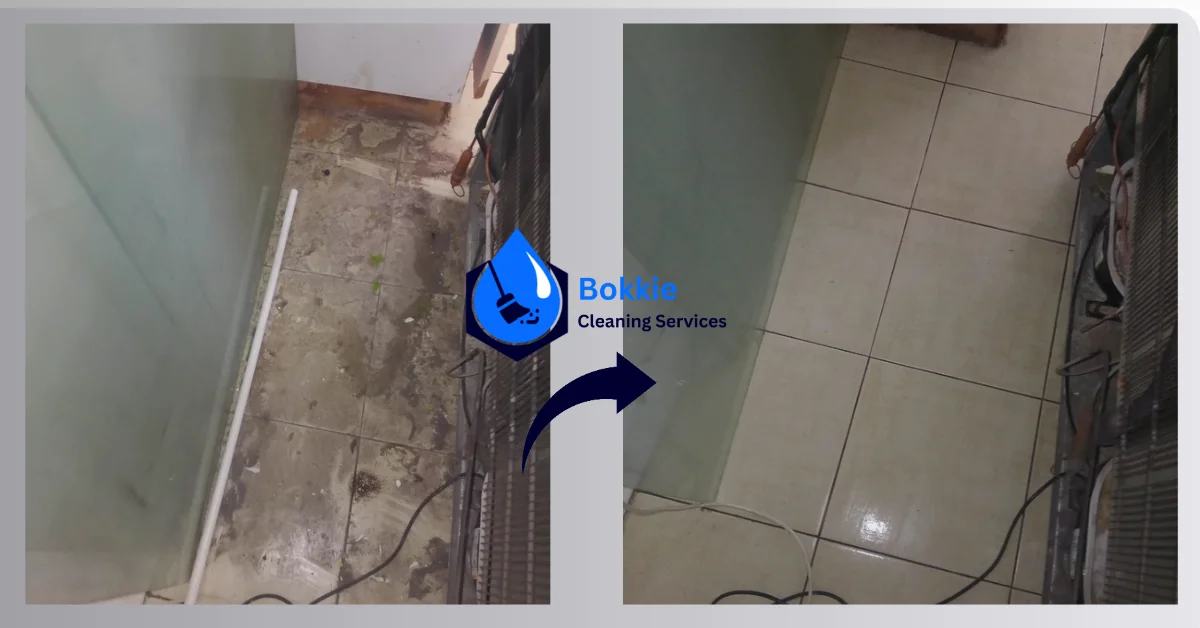
Your refrigerator works around the clock, but when was the last time you checked what was hiding behind it?
Dust, food crumbs, grease and other debris can quietly accumulate beneath and behind this frequently used appliance.
Because refrigerators aren't moved during everyday cleaning, these areas can remain neglected for months.
Why it matters
Food residue can attract pests, while excessive dust around certain refrigerator ventilation components may affect efficiency. The City of Cape Town highlights the importance of proper food storage and waste management in preventing household pest problems
Bokkie's Cleaning Tip
If your refrigerator can be moved safely, follow the manufacturer's instructions before switching it off or unplugging it.
Carefully move it forward without pulling on the door, straining the power cable or damaging the flooring.
Use a vacuum cleaner with a narrow attachment to remove loose dust and crumbs from the accessible floor.
Follow with a damp microfibre cloth and a floor-cleaning product suitable for the surface. Allow the area to dry before returning the appliance to its position.
For accessible condenser coils, always follow the manufacturer's maintenance instructions.
Remember: Never force a heavy refrigerator away from the wall. If moving it is unsafe, arrange suitable assistance.
Your bedroom or living room may look spotless, but what about the floor beneath your furniture?
Dust, hair, fibres and small debris naturally collect in spaces that are difficult to reach during routine cleaning.
In households with pets, these hidden areas may accumulate even more hair and dust.
Why it matters
When disturbed, accumulated dust can become airborne and settle on nearby surfaces.
Bokkie's Cleaning Tip
Use a vacuum cleaner with a flat or extendable attachment to reach underneath beds and sofas.
For hard floors, follow with a suitable microfibre mop to remove remaining dust.
If furniture is lightweight and safe to move, carefully reposition it to clean underneath.
Avoid dragging heavy furniture or lifting beds without appropriate assistance.
A helpful habit: Include accessible spaces beneath furniture in your regular cleaning routine rather than waiting until dust becomes visible.
You may regularly clean your windows, but have you ever looked closely at the tracks beneath them?
These narrow spaces can collect surprising amounts of dust, sand and debris.
For homes in Cape Town, windy weather can make this particularly noticeable, especially around windows and sliding doors exposed to the outdoors. For more practical tips on refreshing your home, explore our complete spring cleaning checklist for Cape Town homes
Why it matters
Dirt trapped inside tracks can make windows and sliding doors harder to operate and leave the surrounding frames looking neglected.
Bokkie's Cleaning Tip
Start by loosening dry dirt with a small, soft-bristled brush.
Vacuum the debris using a narrow nozzle attachment.
Next, wipe the accessible tracks with a slightly damp cloth and a cleaning product suitable for the frame material.
Use a cotton bud or soft detailing brush to reach narrow corners.
Finish by drying the tracks and checking that drainage openings remain clear.
Avoid pouring excessive water into the tracks, particularly near sensitive fittings.
The difference is in the details: Clean window tracks can make the entire window area look fresher and better maintained.
When cleaning the bathroom, most people concentrate on the toilet bowl, basin, shower and floor.
However, the narrow space behind the toilet is easy to overlook.
Dust, hair, moisture and residue can gradually accumulate around the toilet base, pipe connections and surrounding corners.
Why it matters
Neglected areas can become difficult to clean, particularly when dirt combines with moisture.
Bokkie's Cleaning Tip
Remove loose dust and debris using a small brush or a cloth reserved specifically for toilet-area cleaning.
Apply a bathroom cleaner suitable for the surrounding surfaces, following the manufacturer's instructions.
Gently wipe behind the toilet and around the base, paying attention to accessible corners.
Remove cleaning residue as directed and dry the surfaces.
Use separate cleaning cloths for the toilet area and other bathroom surfaces to reduce cross-contamination.
Avoid excessive water around pipe connections and nearby electrical fittings.
Remember: A sparkling toilet bowl is only part of a thoroughly cleaned bathroom.
Here's a question worth asking: when was the last time you cleaned the tops of your kitchen cupboards?
Because these surfaces are usually above eye level, it's easy to forget they exist.
Cooking oils and airborne grease can settle on nearby surfaces. When combined with household dust, they form a sticky layer that becomes harder to remove over time.
Among the hidden areas to clean in your home, cupboard tops deserve particular attention in busy kitchens.
Why it matters
Greasy dust buildup can become stubborn, making future cleaning more time-consuming.
Bokkie's Cleaning Tip
Only attempt this task if the cupboard tops can be reached safely.
Start by removing loose dust with a suitable cloth.
Apply a kitchen-safe degreaser according to its instructions, using a product compatible with your cupboard finish.
Allow the recommended contact time to loosen stubborn grease.
Gently wipe away the residue and repeat if necessary.
Finish with a clean, slightly damp cloth and dry the surface thoroughly.
Avoid soaking wooden cupboards or using abrasive tools that could damage painted or laminated finishes.
Safety first: Never stand on countertops, chairs or unstable furniture to reach high surfaces.
Your cupboards may look organised, but what about the corners hiding behind food containers, utensils and household items?
Tiny crumbs, dust and accidental spills often settle in these narrow spaces.
Kitchen drawers can also collect debris along their edges and accessible sliding mechanisms.
Why it matters
Food residue can attract pests, while accumulated dirt makes cupboards harder to maintain.
Bokkie's Cleaning Tip
Remove the contents of one cupboard or drawer at a time.
Use a soft brush or vacuum attachment to remove loose crumbs and dust.
Wipe the shelves, corners and accessible drawer tracks with a mild cleaning solution suitable for the material.
Pay particular attention to areas where crumbs become trapped.
Dry the surfaces thoroughly before replacing food containers and household items.
If you notice signs of pests, investigate the cause rather than simply removing the visible debris.
Make it manageable: Cleaning one cupboard or drawer each week can prevent the task from becoming overwhelming.
Your washing machine keeps your clothes fresh, but how often do you clean the machine itself?
Front-loading washing machines have rubber door seals that can trap water, lint, detergent residue and small objects.
Detergent drawers can also develop buildup from repeated washing cycles.
Why it matters
Trapped moisture and residue can contribute to unpleasant odours and create conditions that encourage mould growth.
Bokkie's Cleaning Tip
Consult your washing machine's cleaning instructions before beginning.
With the appliance switched off, gently inspect the accessible folds of the rubber door seal.
Remove trapped debris and wipe the seal using a soft cloth and a manufacturer-approved cleaning solution.
Clean removable detergent drawers according to the manufacturer's recommendations.
Dry the accessible surfaces thoroughly.
Where appropriate and safe for your household, leave the machine door slightly open between washes to encourage ventilation.
Avoid harsh chemicals or abrasive brushes that could damage rubber components.
A little maintenance goes a long way: Keeping the seals and detergent drawer clean can help prevent stubborn residue from developing.
There isn't one cleaning schedule that works for every household.
The frequency depends on several factors, including the number of occupants, pets, cooking habits, property layout and exposure to outdoor dust.
For example, window tracks in windy areas may need more frequent attention than those in sheltered locations.
Similarly, households that cook regularly may notice grease accumulating above kitchen cupboards more quickly.
A practical approach is to inspect frequently used areas regularly and address dirt before it becomes difficult to remove.
You don't need to tackle every hidden spot in one day.
Instead, divide the tasks into smaller cleaning sessions throughout the month.
Consistency is more effective than allowing months of buildup to accumulate.
Regular cleaning helps maintain the everyday cleanliness of your home, but some areas require additional time and detailed attention. You can also explore our guide to 10 forgotten areas during house cleaning for more tips on maintaining a cleaner home
This is where professional deep cleaning can make a difference.
Unlike standard cleaning, which generally focuses on exposed and accessible surfaces, deep cleaning involves more intensive work on areas included in the agreed service.
Depending on the property's condition and cleaning requirements, this may include detailed attention to skirting boards, window tracks, accessible spaces beneath furniture, cupboard interiors and other overlooked surfaces.
At Bokkie Cleaning Services, we understand that every home has different cleaning needs.
A property with stubborn grease buildup may require more time than one that has been maintained regularly.
The number of rooms, accessibility and level of accumulated dirt also influence the cleaning process.
Before your appointment, discuss your priorities and confirm which areas are included in your cleaning package.
Moving heavy appliances, lifting furniture and accessing high surfaces may require separate arrangements or specialist assistance.
A thorough deep clean isn't about rushing through a checklist. It's about giving each agreed area the time and attention it deserves.
Some of the most commonly overlooked areas include spaces behind kitchen appliances, underneath furniture, window tracks, bathroom corners, kitchen cupboard tops and washing machine seals.
These areas can collect dust, grease, food crumbs and moisture over time.
The areas that require the most attention will depend on your household's activities and your property's condition.
The ideal frequency depends on how quickly dirt accumulates.
Areas exposed to food spills, moisture or frequent activity may need regular attention, while less accessible spaces may only require periodic cleaning.
Inspecting these areas regularly helps you identify when cleaning is necessary.
Standard cleaning focuses on maintaining the everyday cleanliness of your home through tasks such as dusting, sweeping, vacuuming and mopping exposed surfaces.
Deep cleaning involves more detailed work to remove accumulated dirt and grime from areas included in the agreed cleaning scope.
Because deep cleaning requires additional attention, it generally takes longer than standard household cleaning.
Accumulated dust can become airborne when disturbed, potentially contributing to indoor particles.
However, indoor air quality is influenced by several factors, including ventilation, outdoor pollution, moisture and household activities.
Regular dust removal using appropriate vacuuming and damp-cleaning methods can help reduce accumulated dust.
Addressing moisture problems and maintaining suitable ventilation are also important.
A beautifully clean home is about more than shiny countertops and freshly mopped floors.
It's also about paying attention to those easily forgotten spaces where dust, grease and dirt quietly accumulate.
Understanding the hidden areas to clean in your home can help you prevent unnecessary buildup and maintain a fresher, more comfortable living environment.
From the space behind your refrigerator to dusty window tracks and washing machine seals, every small detail contributes to the overall cleanliness of your home.
At Bokkie Cleaning Services, we believe those details matter.
Whether your home needs a seasonal refresh or a thorough deep clean, our team is here to help you achieve a beautifully maintained space.
Ready to give your home the attention it deserves?
Contact Bokkie Cleaning Services to discuss your cleaning needs and book a suitable deep cleaning appointment.
Call or WhatsApp: 072 416 2547
Bokkie Cleaning Services — Because every detail matters.
